Commercial & Foodservice Applications
- Grocery produce counters can offer red kiwi fruit alongside familiar kiwifruit, with clear product naming to help shoppers recognise the different fruit.
- Keep variety descriptions specific rather than implying that colour alone establishes a grade.
- Specialist fruit shops can introduce the fruit through staff-led descriptions and freshly prepared tasting portions where local food-handling rules permit.
- A simple explanation of flavour and texture is more useful than exaggerated claims.
- Regional fruit businesses can source red kiwi fruit wholesale for distribution to both shop accounts and restaurant customers.
- Separating fruit by intended use helps keep whole-fruit displays and kitchen preparation requirements distinct.
- Restaurant kitchens can use freshly prepared pieces in breakfast bowls, fruit salads and plated desserts.
- Add them near serving time when a clean-cut appearance is important.
- Catering operators can include the fruit in individual fruit portions or mixed fresh-fruit platters.
- Portioning to suit the menu helps avoid preparing more cut fruit than the service requires.
Product Details
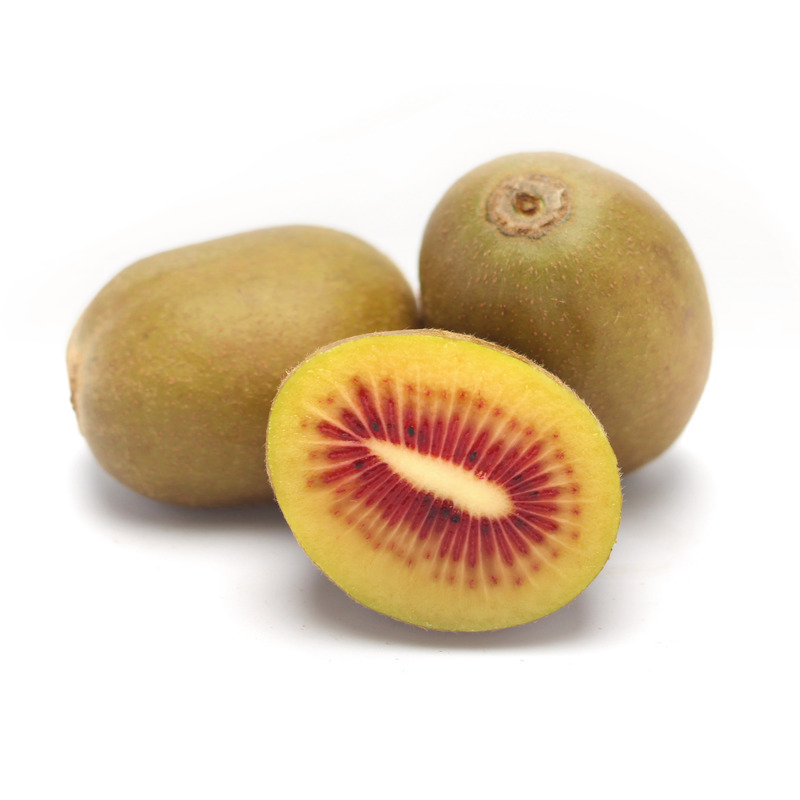
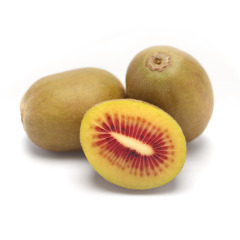
Fresh-fruit counters looking beyond familiar everyday varieties can make room for Wanhui’s red-centered kiwifruit. We offer whole fresh red kiwi fruit for distributors and other businesses that want an appealing addition to their existing produce range, with fresh, juicy flesh at the heart of the offer. Keep the fruit whole until preparation, then serve it simply or incorporate it into a fresh dish. Our team welcomes enquiries about the fruit characteristics your customers expect, so discussions can begin with the product itself rather than broad promises.
| Property | Detail |
|---|
| Category | Fresh fruit |
| Fruit type | Red-centered kiwifruit |
| Product form | Whole fruit |
| Fruit shape | Oval |
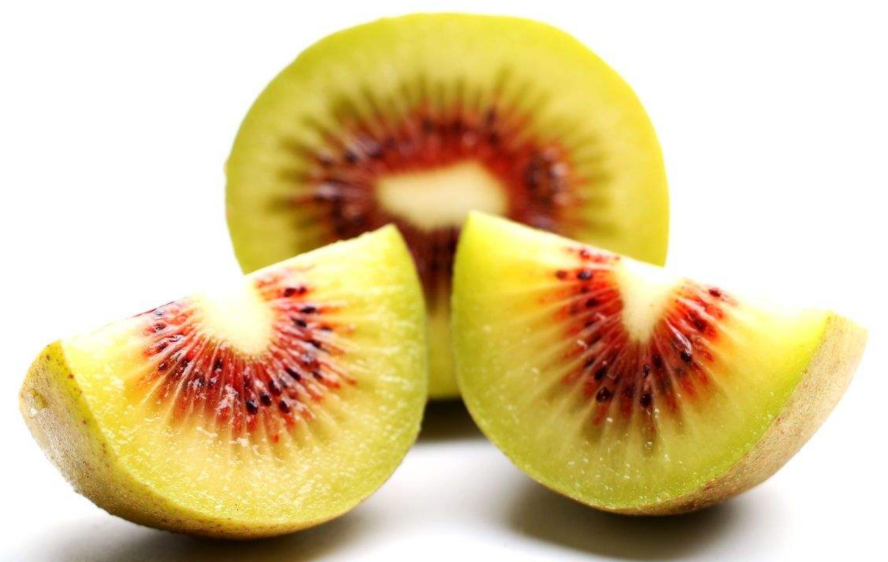
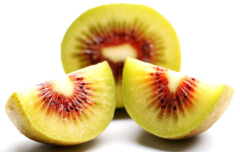
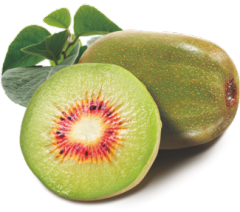
| Internal structure | Radial center surrounding a pale core |
| Cut views shown | Halves, wedges and cross-sections |
Nutrition & Everyday Eating
Vitamins C and E, fiber and antioxidants contribute to the nutritional appeal of this kiwifruit. Together, they make it a welcome fresh-fruit option within a varied diet, without turning an everyday food into a treatment or supplement.
Vitamin C contributes to normal immune function, while vitamin E helps protect cells from oxidative stress. These are normal nutritional functions, not promises that eating the fruit will prevent illness or produce a particular health outcome.
Dietary fiber contributes to a balanced diet and normal digestive function. The fruit also offers a straightforward way to include fresh produce in breakfasts, snacks and desserts.
Nutrient content naturally varies with the fruit and its condition. Any quantified nutrition panel or regulated nutrient claim used on your own labels should be based on applicable product data and local labelling requirements. As a red kiwi fruit supplier, we offer bulk quantities for grocery stores, restaurants, and other businesses. We offer premium fruit from trusted farms, guaranteed freshness and taste, competitive wholesale pricing, and a reliable supply chain with timely delivery. Our team provides customer service and support to help with your orders. Contact us to place your wholesale order.
Fruit Selection & Condition
- Our kiwifruit comes from trusted farms and is carefully selected with freshness and quality in mind.
- That attention to the fruit itself underpins the offer, rather than an unconditional promise about the eating quality of every piece.
- Brownish-green, lightly textured skin surrounds the flesh.
- Natural surface variation can occur, so appearance checks should distinguish ordinary skin characteristics from cuts, leaking areas or signs of deterioration.
- Receiving checks should look for crushed fruit, split skins, mould and pronounced soft spots.
- Keep damaged fruit separate while assessing the rest, rather than allowing a few affected pieces to determine the condition of the entire lot.
- Cultivar, fruit-size range, required maturity and applicable origin or food-safety records should be agreed for the available batch.
- Share your required fruit characteristics with Wanhui so these details can be discussed together.
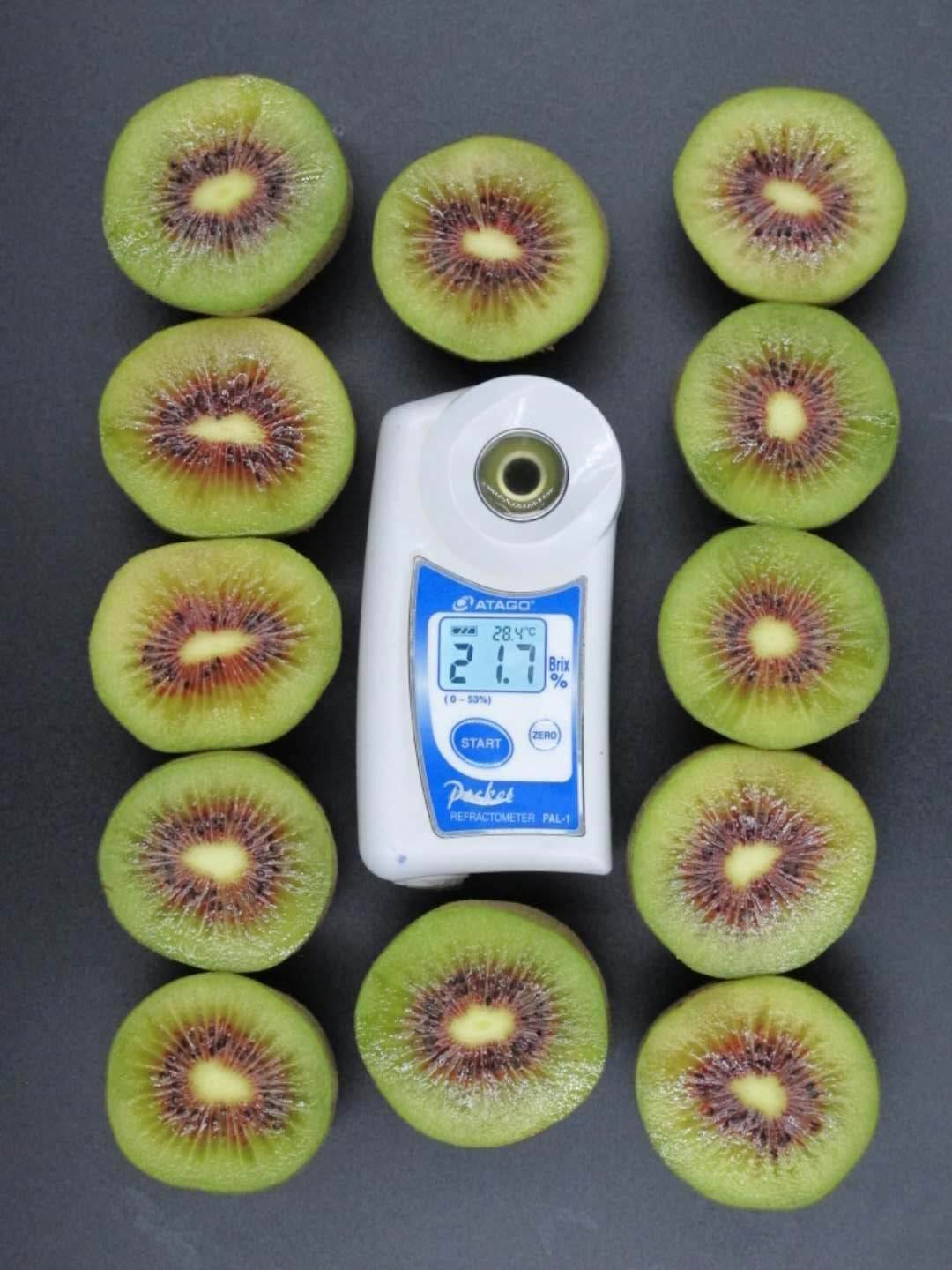
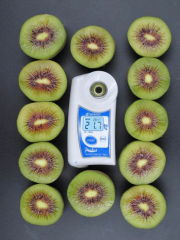
- A refractometer can help assess soluble solids when sweetness is important to your fruit programme.
- Use representative fruit and consider flavour as well as the reading; an individual measurement does not establish a fixed sweetness specification for every piece.
Fresh Preparation & Handling
- Wash whole kiwifruit under clean running water before cutting, even when the skin will be removed.
- Dry the surface so moisture does not make the fruit difficult to hold.
- Use clean hands, a clean knife and a food-safe cutting board.
- Keep fruit preparation separate from raw meat, seafood and equipment used for those foods.
- Peel with a small knife or suitable peeler when skinless pieces are needed.
- Work close to the surface to avoid removing unnecessary flesh.
- Allow firm fruit to ripen at room temperature, away from direct sunlight, and check it regularly.
- Refrigerate ripe fruit to slow further softening rather than treating all fruit as if it were at the same stage.
- Keep prepared fruit covered and refrigerated until use, following your kitchen’s food-safety procedures.
- Avoid leaving cut portions on an unrefrigerated display or mixing newly prepared fruit into older leftovers.
Kiwi Ripeness & Dessert Use
- Same-day serving: Choose ripe fruit that yields gently but still holds together when sliced.
- For fruit platters and dessert garnishes, check a sample by cutting and tasting it; flesh colour alone does not establish readiness to serve.
- Later use: Reserve firmer fruit for preparation planned further ahead.
- Check its progress before assigning it to a service date, since starting firmness does not guarantee a fixed number of days until it is ready to eat.
- Purées and sauces: Softer ripe flesh suits preparations where distinct pieces are unnecessary.
- Use sound fruit with a clean aroma; softness caused by bruising or deterioration is not a substitute for ripeness.
- Gelatin mixtures: Fresh kiwi contains actinidin, a protein-breaking enzyme that can interfere with gelatin setting.
- Choosing firmer or less-ripe fruit does not reliably solve this problem, so plan the recipe separately from the fruit’s serving texture.
- Cooked kiwi fillings: When incorporating kiwi into a gelatin-set layer, use a tested recipe that includes sufficient heating to deactivate the enzyme.
- Follow its heating and cooling instructions rather than assuming a brief warming will be enough; cooking also changes the fresh fruit’s texture.
- Fresh toppings: Keep raw kiwi separate from gelatin desserts until shortly before serving.
- Adding it after setting avoids mixing the enzyme throughout the dessert, but prolonged contact can still soften the surface.
- Kitchen trials: Test the intended fruit preparation, gelatin formulation and holding period in a small batch before producing a full dessert run.
- Check both the set and the texture at the planned serving time, not only when the dessert first leaves refrigeration.
Supply Chain & Delivery Assurance
Wanhui’s network of farms supports wholesale sourcing of red kiwi fruit for distributors, while our distribution network helps keep your orders moving toward timely delivery. Our team provides personalized support to discuss your purchasing requirements. Share the categories you need, quantities, destination and preferred delivery dates so we can discuss supply arrangements suited to your order.
FAQ
Are the small seeds edible?
Yes—the small seeds in kiwifruit are edible, so there is no need to pick them out before eating. They add a gentle crunch and do not need separate cooking, soaking or other preparation. When blending the flesh into a smoothie, some seeds may remain visible or noticeable in the texture; blending does not necessarily make the mixture completely smooth. For a sauce or purée where a seed-free finish matters, pass the blended flesh through a fine sieve rather than removing seeds individually. If a recipe specifically calls for seedless fruit, kiwifruit will need that extra straining step. For customers who ask about the dark specks, staff can explain that they are a natural part of the fruit, not an added ingredient.
Can the flesh around the red center be green or yellow?
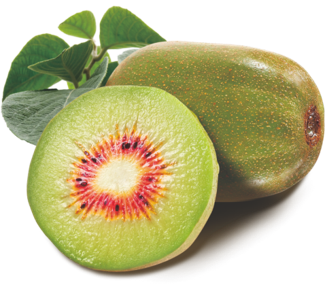
The fruit illustrated includes both green and yellow flesh surrounding the red center. Treat these photographs as examples of appearance, not as a list of separately available varieties or a promise of identical colour throughout a batch.
What firmness works well for eating fresh?
Fresh kiwifruit is generally ready to eat when it gives slightly under gentle pressure without feeling mushy. A firmer piece can hold its shape more neatly during cutting, while softer ripe flesh is easier to scoop.
Can fresh kiwi be added to a gelatin dessert?
Fresh kiwifruit contains an enzyme that can prevent gelatin from setting properly. Use a recipe developed for fresh kiwi, heat-treat the fruit as the recipe directs, or add it after the dessert has set rather than folding raw pieces into the unset mixture.