Harvest & Quality
Farm sourcing: As a supplier of this product, we source it from farms and apply strict quality controls, keeping the focus on the condition of the harvested ingredient rather than appearance alone. Harvest maturity: This product is harvested at peak maturity to support flavor and keeping quality. Actual usable life depends on the condition of the roots and their subsequent handling, not a single universal shelf-life figure. Incoming inspection: Receiving checks should look for firm roots and identify soft areas, mold, decay or significant damage. A naturally uneven surface is different from deterioration that affects the usable ingredient. Batch assessment: When buying this product wholesale, examine representative roots across a batch rather than judging the lot from a single attractive piece. This gives a more useful picture of variation and the amount of sorting required. Food-safety records: Any required pesticide-residue results, origin records or other food-safety documents should relate specifically to the batch of this product and its intended market. General farm-quality statements do not replace those records.
Product Characteristics
| Property | Description |
|---|
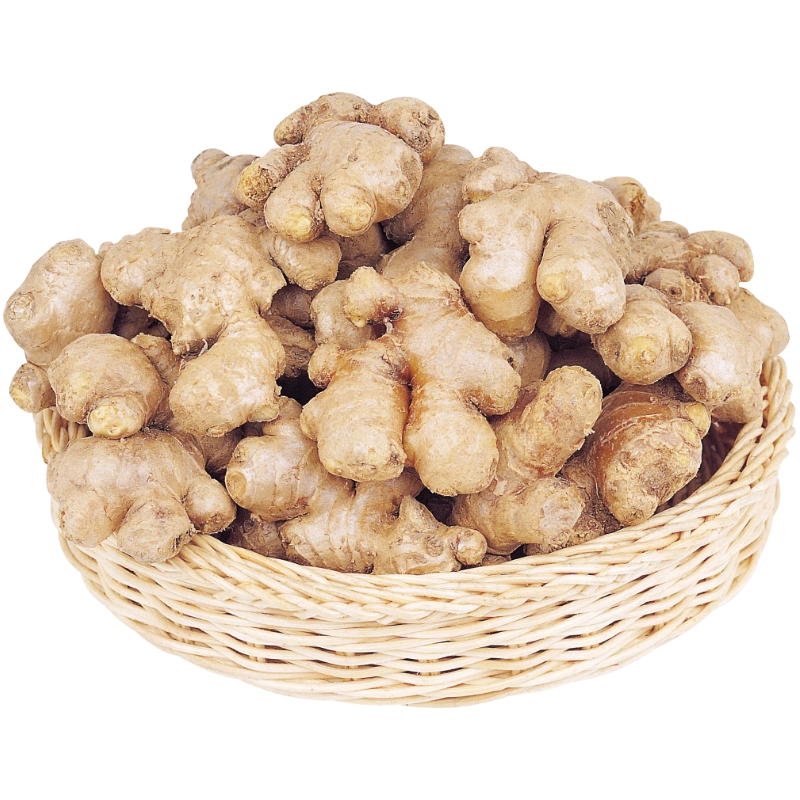
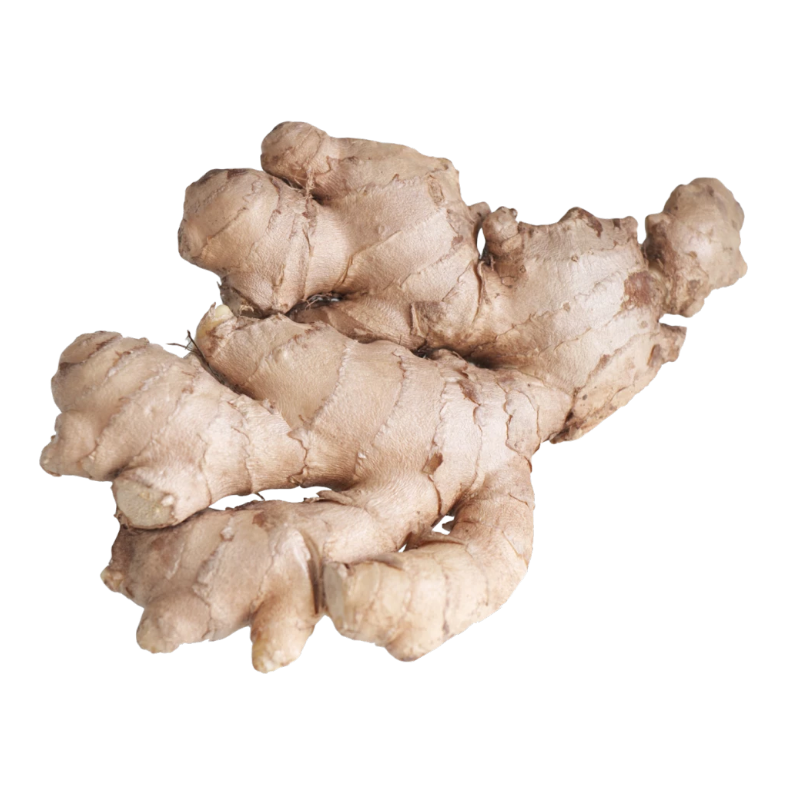
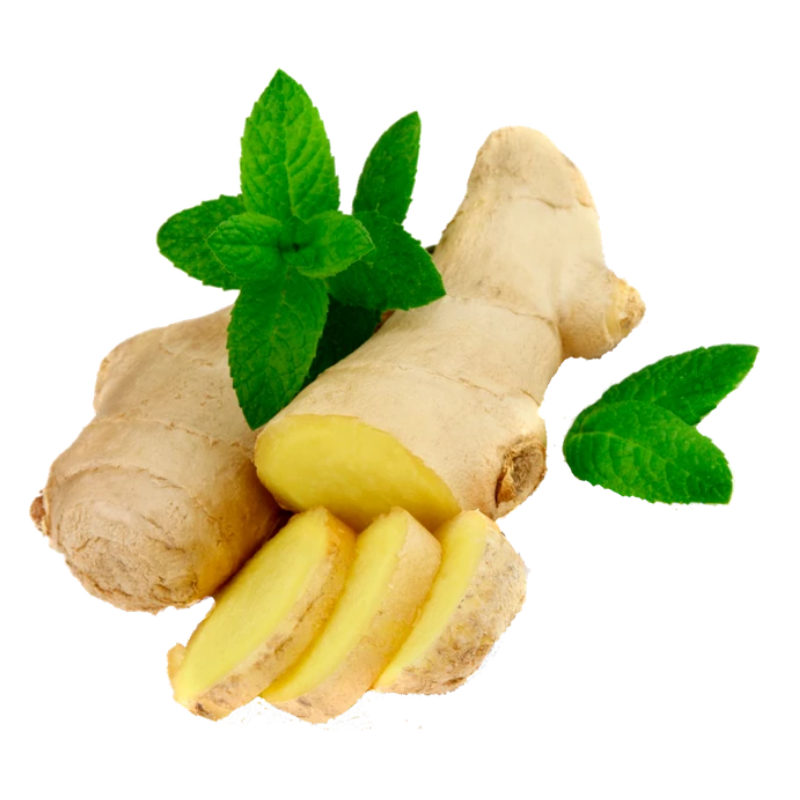
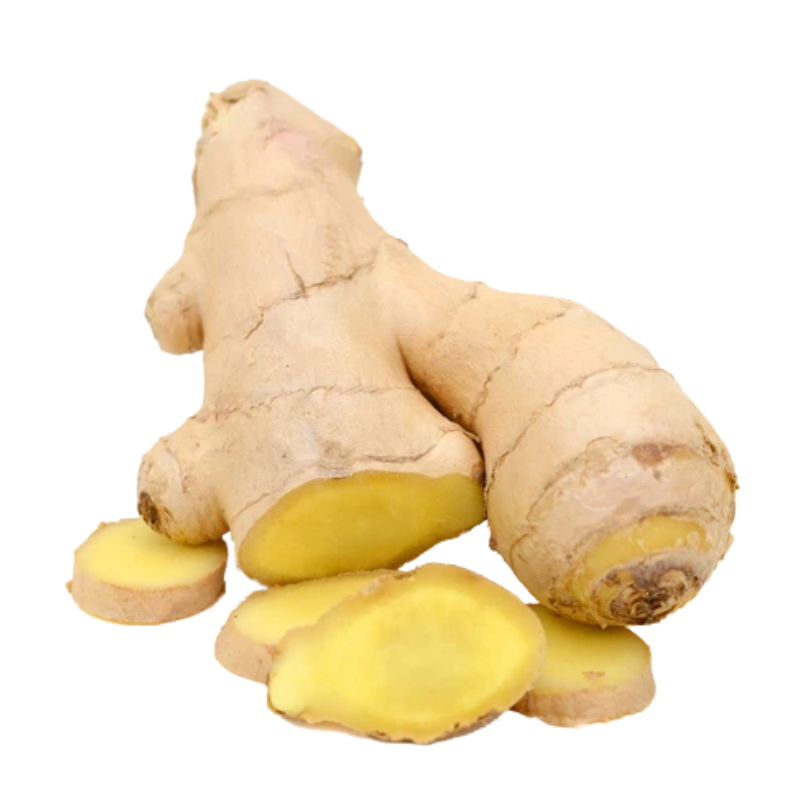
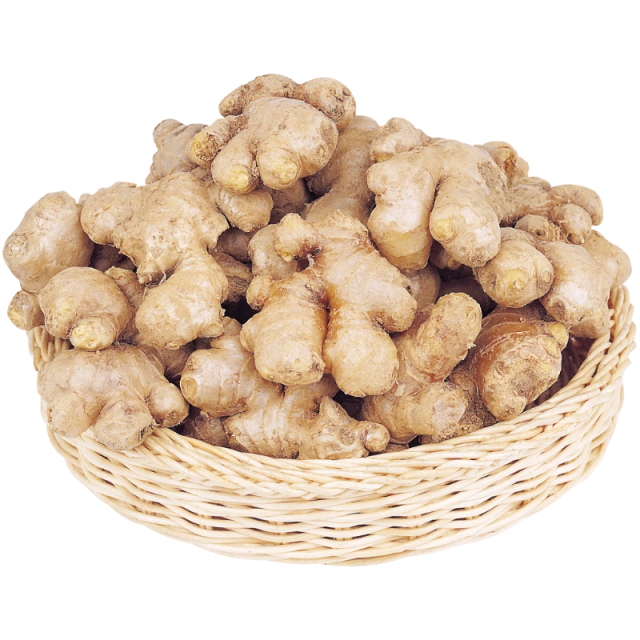
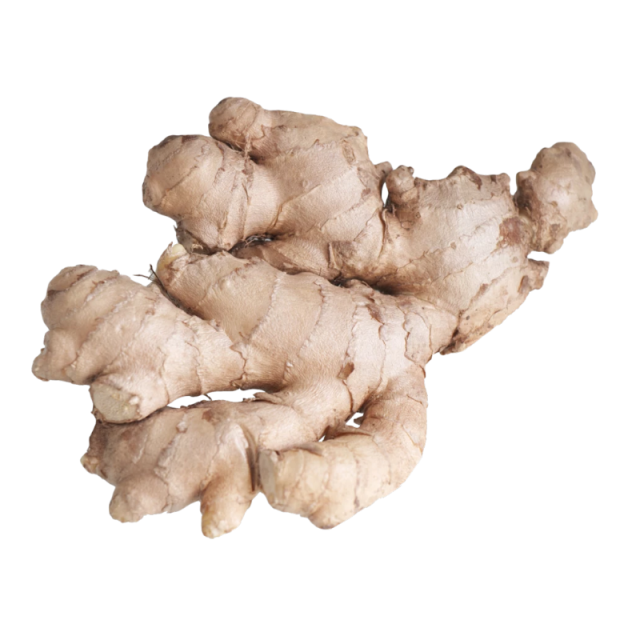
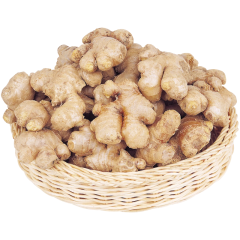
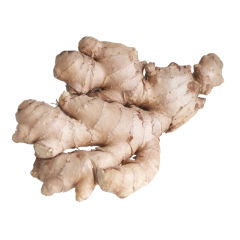
| Product form | Whole, unpeeled fresh ginger roots |
| Root shape | Irregular, branching lobes |
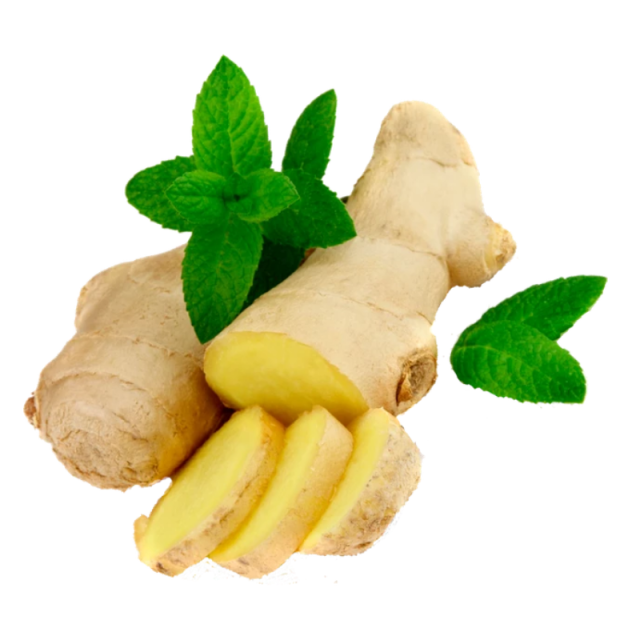
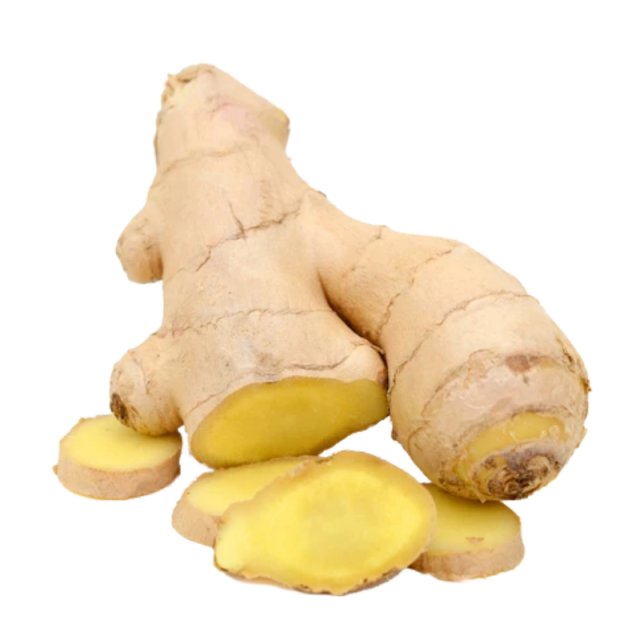
| Skin color | Light tan to golden tan |
| Skin surface | Rough, creased and ridged |
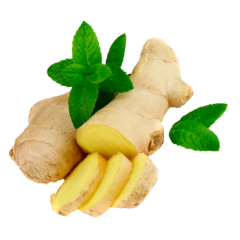
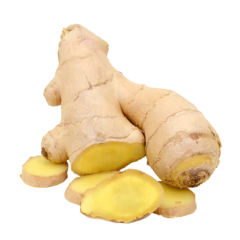
| Cut flesh | Yellow |
| Flavor | Robust and strongly aromatic |
| Product reference | No.00111 |
Ingredient Applications
- Savory cooking: Chefs preparing fresh ginger for culinary use can incorporate it into stir-fries, broths, sauces and marinades.
- The ingredient contributes a distinct aromatic character rather than serving as the main vegetable component of a dish.
- Beverage preparation: Infusions, ginger drinks and blended beverages offer different ways to develop its flavor.
- Recipe trials help establish the desired balance with sweetness, acidity and other ingredients before a formula is scaled up.
- Prepared foods: Seasoning bases, soup preparations and cooking pastes can incorporate ginger during ingredient preparation.
- The final recipe determines the required particle size and whether visible pieces are desirable.
- Health-product development: Manufacturers considering fresh ginger for health products need a defined ingredient specification and a formulation appropriate to their intended market.
- Food use alone does not establish a particular health effect or substantiate a finished-product claim.
- Pharmaceutical development: Medicinal applications require their own identity, composition, safety and regulatory requirements.
- Our whole-root produce offer does not establish pharmaceutical-grade suitability or a standardized active-compound content.
- Cosmetic development: Ginger-derived cosmetic ingredients require formulation and safety assessment appropriate to the finished product.
- Whole roots are not interchangeable with a prepared cosmetic extract, and no extraction performance is specified.
Central kitchens need an aromatic ingredient they can prepare to suit their recipes, while produce distributors need a recognizable whole-root line for their customers. Wanhui is a fresh ginger supplier for these everyday food uses, with a focus on freshness and robust flavor. Its versatility connects fresh-produce counters with professional ingredient preparation. Whether it will be used directly in the kitchen or developed into a finished food, the intended use should shape the required root condition and preparation.
Usable Yield & Preparation
Washing fresh ginger around the joints before cutting helps keep soil away from the prepared ingredient. Use clean water and utensils, and pay attention to the recessed areas that are harder to reach with a quick rinse.
Light, controlled peeling can reduce unnecessary trimming loss. Work around the contours instead of removing thick sections simply to create a regular shape, while keeping your kitchen’s hygiene requirements in view.
When preparing fresh ginger for culinary use, sound smaller pieces can still be useful if the recipe calls for chopped or grated ginger. Separating them from pieces intended for uniform presentation helps make better use of the ingredient without treating every root as an identical shape.
Preparation yield is most useful when measured after cleaning and trimming. Recording usable prepared weight gives a kitchen a clearer basis for recipe costing than judging value from the appearance of the intact roots.
Cleaned and cut ginger needs the same disciplined handling as other prepared produce. Keep it separate from unwashed roots, use clean food-contact containers and follow your established fresh-produce handling procedures; avoid leaving washed roots standing in water.
Ginger Size & Grade
Whether buying this product wholesale for food preparation or for health products, include root dimensions in the product specification: define the acceptable size range and any limits on small or broken pieces for your display or preparation line. No numerical size grades are specified here. Surface acceptance needs clear wording: distinguish acceptable natural markings from damage that your operation cannot use. A written tolerance is more precise than relying on the word premium alone. When choosing this product for culinary use, consider variety and maturity requirements if tenderness or fiber affects the finished recipe. Include those requirements in your discussion with your supplier rather than assuming every whole root performs identically. Representative whole-root and cut-surface photographs can help explain the appearance you need. Use them alongside written requirements, not as a substitute for measurable criteria. Your intended dish, beverage or finished food gives us a practical basis for discussing the product you need. Discuss your product requirements with Wanhui, and consult our ginger buyer guide for further purchasing guidance.
Supply Chain & Delivery Assurance
Wanhui’s network of farms supports your wholesale sourcing, while our distribution network helps keep orders moving toward timely delivery. Our team provides personalized support to discuss your purchasing requirements, including fresh ginger for health products. Share the categories you need, quantities, destination and preferred delivery dates so we can discuss supply arrangements suited to your order.
At Wanhui, we draw on regional processing facilities to support our fresh ginger supply. We supply agricultural products that meet international standards.
Ginger is frequently ordered with our Wanhui garlic by the same professional kitchens.
FAQ
Can whole ginger replace dried ginger powder in a recipe?
Whole ginger can replace dried ginger powder in some recipes, but equal weights will not produce an equivalent result. Drying changes both moisture content and flavor, so use a recipe written for the form you have whenever possible. In cakes, biscuits and other baked goods, this product adds water that can affect dough consistency and the finished crumb. Finely grating it helps distribute it, although fibers may remain noticeable in a delicate texture where powder would blend in smoothly. In a dry spice blend or rub intended for storage, this product turns the mixture into a moist preparation; follow appropriate refrigerated handling instead of treating it as a shelf-stable seasoning. Substitution is usually easier in a recipe with enough liquid to accommodate either form, but the amount still needs to suit the dish. Traditional gingerbread and similar recipes may rely on the particular flavor of dried ginger, so a version made with this product can taste different even when the overall strength seems similar. For repeat production, record the successful substitution along with any liquid or mixing changes so the revised recipe can be reproduced.
Does ginger produce the same kind of heat as chili?
Ginger provides a peppery, warming bite, while chili creates the burning sensation associated with capsaicin. A dish can taste distinctly gingery without producing the same chili heat, and adding more ginger will not recreate the effect of adding more chili. When a recipe uses both, treat them as separate seasoning choices: adjust ginger for its characteristic bite and chili for the desired level of burn. For diners who prefer less chili heat, reducing the chili while keeping the ginger can preserve part of the dish’s seasoning character, though ginger itself can still feel pungent. Chili also adds flavors that vary with its type and preparation, including fruity, smoky or earthy notes. Replacing it with ginger therefore changes more than heat intensity, especially when a particular chili defines the dish. Consider other pungent ingredients, such as black pepper, mustard or horseradish, when assessing the overall sensation; their effects can overlap without tasting alike. When describing a dish to customers, distinguish ginger warmth from chili heat so they can choose according to their preferences.
How can I make a ginger drink with a smoother texture?
Ginger can be used in beverages, although finely broken-down roots may leave fibrous particles in the drink. Straining or filtering after flavor extraction can give a smoother result; the filtration required depends on the finish you want.
When should ginger be added during cooking?
Add ginger early to make its flavor part of the dish’s base, or nearer the end for a more distinct finishing note. Some recipes split the addition between these stages to achieve both effects. When frying ginger in oil, watch for its fragrance to develop and keep it moving so it does not catch on the pan. Finely grated ginger can scorch quickly, so have the next ingredients ready before adding it to hot fat. If you add ginger and garlic separately, follow their cooking cues rather than assuming they need identical time in the pan; finely chopped garlic can brown before thicker ginger pieces have softened. In a simmered dish, allow enough cooking time for any ginger that will be eaten to lose an unwanted raw bite. A finishing addition receives little cooking, so use it deliberately where that sharper taste is welcome. For dishes prepared ahead or held warm before serving, assess the ginger flavor at serving time, since continued heat can soften the effect of a late addition.