Premium Dehydrated Tribute Strips (Gongcai) for Wholesale
The "Crunchy" Choice for Food Processors & Catering
Known as "Mountain Jelly Vegetable," our Tribute Strips are prized for their unique cellular structure that remains crisp even after rehydration and cooking. As one of our flagship industrial food ingredients, they offer exceptional yield and texture stability for snack manufacturers and hot pot supply chains.
Why Source Wanhui's Gongcai?
- High Rehydration Rate: Swells to 3-4 times its dry weight, reducing logistics costs and maximizing production volume.
- Sulfur-Free Processing: Natural drying methods ensure compliance with strict international food safety standards.
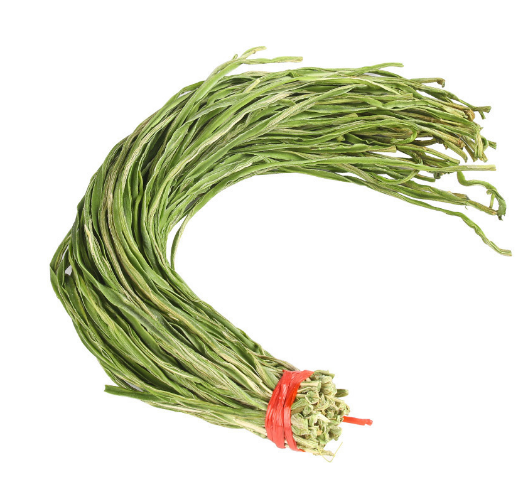
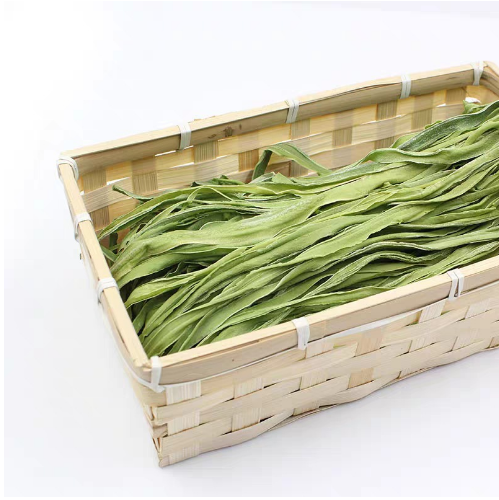
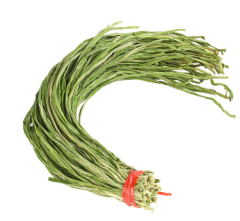
- Versatile Specs: Available in long strips (70-80cm) for manual cutting or pre-cut segments for automated lines.
Ideal Applications
Whether you are producing spicy pickled snacks (Latiao style) or sourcing premium vegetables for a restaurant chain, our Tribute Strips deliver the consistent quality you need. The robust texture withstands marinating and boiling without becoming mushy.
Reliable Global Supply Chain
Wanhui ensures stable year-round supply with strict moisture control (<12%) for extended shelf life. Contact us today to discuss your bulk dehydrated vegetable requirements and request a sample for testing.
Product Overview
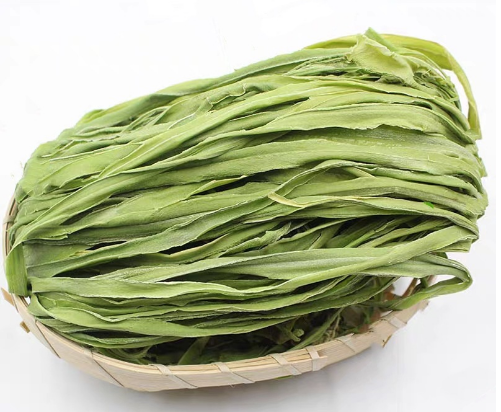
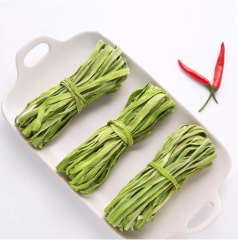
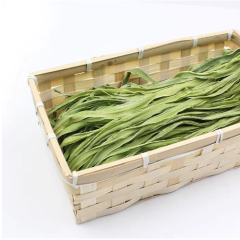
Sulfur-free natural drying and a strip that keeps its bite after boiling are what define Wanhui's gongcai. The vegetable, known in Chinese kitchens as mountain jelly vegetable, is dried into long ribbons that wrinkle and fold as they lose water, then soften in a soak without collapsing into paste. Food processors buy dehydrated tribute strips as a structural ingredient: the strips hold chilli oil and brine, add chew to pickled snacks, and stay intact in a simmering pot. Every batch leaves our processing line trimmed, dry and ready for soaking, cutting and seasoning in your own recipe.
Specifications
| Property | Detail |
|---|
| Product | Dehydrated gongcai (tribute strips) |
| Trade name | Mountain jelly vegetable |
| Form | Dried stalks, whole or cut into strips |
| Long strip length | 70-80 cm |
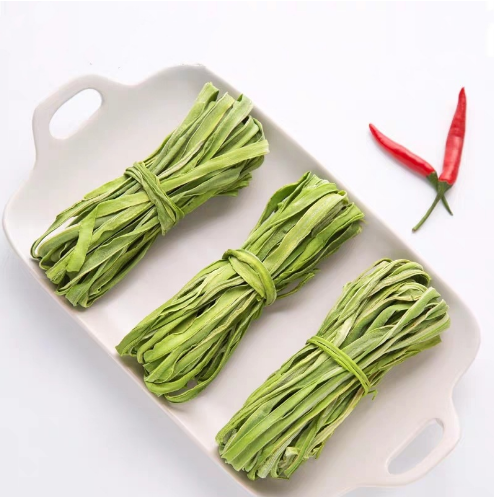
| Cut options | Whole stalks for manual cutting; pre-cut segments for automated lines |
| Rehydration ratio | 1:3-1:4 (takes up three to four times its dry weight) |
| Processing | Natural drying, sulfur-free |
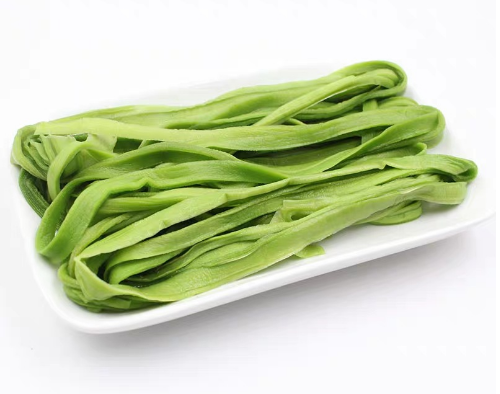
| Texture after cooking | Crisp bite, holds shape without turning mushy |
| Typical uses | Pickled snacks, hot pot, restaurant catering |
Texture Performance
A strip that turns soft in the bowl is of no use to a hot pot kitchen, so the cellular structure of gongcai does the heavy lifting. The outer fibres relax once the strip is soaked, while the denser core keeps a light snap, which is why the vegetable behaves as a texture ingredient rather than a filler. In gongcai for hot pot, ribbons go into the broth for a few minutes and come out with their shape intact; the same strip holds up in a chilled chilli-oil marinade without dissolving into a limp mass. Press a soaked strip between finger and thumb, then boil a piece briefly: a good batch bends, resists, and never disintegrates. That reliability is what lets a kitchen portion by eye and still serve the same bite every day.
Strip Formats & Cut Options
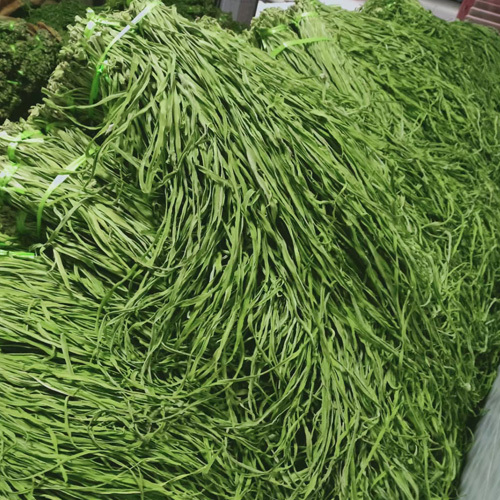
- Whole, full-length stalks suit workshops that cut gongcai to their own recipe length, keeping the raw material flexible until the last production step.
- Pre-cut segments remove a cutting station from automated lines, where strips of consistent length feed weighing, filling and packing equipment more evenly.
- Stalks are gathered into bundles before packing, which keeps the ribbons aligned and makes a batch easier to count and portion out.
- Trim after soaking rather than before: a soaked strip is pliable and cuts cleanly, while a dry one splinters and leaves short fragments.
- dehydrated tribute strips can be ordered as whole stalks or as pre-cut segments, so a kitchen and a factory can run the same recipe in the format each one can handle.
- Cut length and the mix of piece sizes are agreed for each order, so state the format your line is set up for when you plan a run.
Snack and Hot Pot Applications
- gongcai for snack production: soaked strips are cut small, seasoned in chilli oil and folded into latiao-style spicy snacks, where they supply chew and structure rather than bulk.
- gongcai for hot pot: blanched ribbons go into the broth as a texture vegetable and are portioned into hot pot sets for wholesale and food-service.
- Restaurant chains and catering kitchens rehydrate the strips in the morning, drain them well and hold them chilled for cold appetisers, stir-fries and braised dishes through service.
- Pickling operations pack the strips with vinegar, chilli and sugar; the wrinkled surface holds brine, so flavour develops through the strip instead of sitting on the skin.
- Importers and distributors stock both cut formats so they can serve snack factories and hot pot operators from a single line of stock.
Rehydration & Kitchen Handling
- Rinse the dry strips in cool water to lift surface dust, then cover them with plenty of fresh water and leave them to soften.
- Check the strips as they soak: they are ready when a ribbon bends without snapping, and thicker pieces will always take longer than thin ones.
- Taste one strip before going further; if the dried flavour reads strong, refresh the soaking water once and drain again.
- Blanch briefly in boiling water to set the bite, then cool quickly in iced water so the strip keeps its snap instead of softening right through.
- Press out excess water gently by hand or in a salad spinner, so the strips take up marinade rather than diluting it.
- Drain thoroughly and hold chilled until use; wholesale tribute strips left standing in water lose the very crunch they were bought for.
Quality & Moisture Control
- Drying is carried out without sulfur, so the strips keep a clean vegetable smell and leave no sulfite aftertaste in the finished snack.
- Moisture is held to a consistent target across lots, which keeps the strips stable in transit and predictable once they meet water.
- Cut size and rehydration behaviour are standardised for this line, so a new batch behaves like the last one on your soaking and blanching schedule.
- Strips are checked for colour, broken fragments and foreign material, and each lot is sampled against the agreed specification before it is released.
- wholesale tribute strips are graded by eye and hand as well as by measurement, because the bite of a strip is something a gauge alone cannot confirm.
- Snack producers judge a lot by what happens after seasoning and holding, so the drying method stays unchanged to keep gongcai for snack production consistent from shipment to shipment.
Supply Continuity & Sourcing
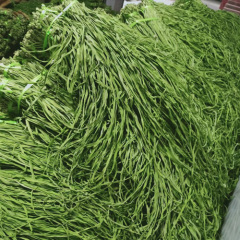
A dried vegetable programme only works if raw material keeps arriving after the harvest window closes. Wanhui buys across several of China's growing regions — Guizhou, Yunnan, Sichuan, Guangxi, Hubei, Hebei, Shandong, Guangdong, Jiangsu and Hainan among them — so a late crop or a wet week in one area does not empty the dried lines, and supply is planned across the year rather than around a single season. As a dehydrated gongcai supplier we keep the same cut, drying method and texture target through those shifts, so a buyer reordering six months later receives strips that soak and cook like the first delivery.
Supply Chain & Delivery Assurance
Wanhui’s network of farms supports your wholesale sourcing, while our distribution network helps keep orders moving toward timely delivery. Our team provides personalized support to discuss your purchasing requirements. Share the categories you need, quantities, destination and preferred delivery dates so we can discuss supply arrangements suited to your order.
FAQ
Is gongcai for hot pot prepared differently from the strips used in cold dishes?
It is the same dried vegetable, handled for a different result at the table. Hot pot service wants longer ribbons, blanched briefly and added to the broth so they keep their snap in front of the guest. Cold dishes use shorter pieces, cooled fully after blanching and dressed ahead of service, which lets the seasoning settle into the strip.
What does gongcai taste like on its own?
A rehydrated strip tastes mild and faintly grassy, with a clean vegetable finish and no sulfur note. The flavour is deliberately quiet because the vegetable works as a carrier: chilli oil, vinegar, brine and broth all come through clearly. That is why dehydrated tribute strips sit comfortably inside strongly seasoned products without fighting the seasoning.
Can we specify cut length and dryness for our order?
Cut length and dryness are the two settings a dehydrated gongcai supplier can adjust without changing the vegetable itself, and both are agreed per order. Whole stalks, pre-cut segments and the moisture target are confirmed against your process before production starts. Share your specification and we will match it against what the current crop can deliver.
What should we check in a batch of wholesale tribute strips?
Soak a handful, drain and press a strip: it should bend without snapping and spring back when released. Smell the soaked strips for a clean vegetable note rather than a sour or sulfury one, then boil one piece briefly to confirm it still holds a bite. Colour across the batch should sit in a narrow pale-to-olive range, with few broken fragments.
How does the strip hold up in a seasoned snack mix?
The wrinkled, fibrous surface takes up chilli oil and sugar quickly, so the seasoning sits inside the strip rather than pooling around it. For gongcai for snack production the real test is a holding period: a well-dried strip still gives resistance after hours in the mix, while a poorly dried one softens and disappears into the seasoning. Request a trial quantity and run it through your own seasoning and holding routine before booking a full run.